
Rat Control in Richardson
Rat Control Built Around Species, Entry Points, & Nesting Sites
Droppings, gnaw marks, damaged food packaging, nesting material, or nighttime movement in walls and attics can signal rat activity. We provide rat control in Richardson that addresses both the rodents present and the conditions allowing them to enter and use your home.
Our assessments cover attics, rooflines, soffits, vents, wall voids, crawlspaces, foundations, garages, and exterior shelter. We also determine whether roof rats or Norway rats are present because their nesting locations and travel patterns shape the removal and exclusion strategy.
Request a rat inspection and estimate today. Call (817) 518-4475 to discuss the activity you’ve noticed and schedule service.
Rat Control Guided by Board-Certified Entomologists
Our plans are designed and overseen by Board-Certified Entomologists. We use Integrated Pest Management, a science-based approach that combines pest biology, environmental conditions, prevention, and targeted control methods.
We identify the species, nesting sites, entry points, and surrounding food or water sources. Seasonal activity also shapes our recommendations. Our collaboration with Texas A&M AgriLife Extension and our work training other pest-control professionals keep our methods grounded in current research and field experience.
From Inspection to Exclusion & Monitoring
Every home presents different access and nesting conditions. We build the service plan around our inspection findings, then adjust it based on seasonal activity, changing conditions, and your feedback.
A residential service plan may include:
- Property inspection: We assess the extent of the infestation, identify the species, locate nesting evidence, and examine likely access routes.
- Targeted population management: Depending on the conditions, we may use external bait stations, natural repellent gels, and other carefully selected methods.
- Rodent exclusion: We address identified openings around rooflines, soffits, vents, utility penetrations, doors, foundations, and other structural gaps.
- Habitat guidance: We may recommend changes to tree limbs, underbrush, outdoor storage, food, water, or clutter that sustains rat activity.
- Ongoing monitoring: We track activity and revise the plan as seasonal pressure or site conditions change.
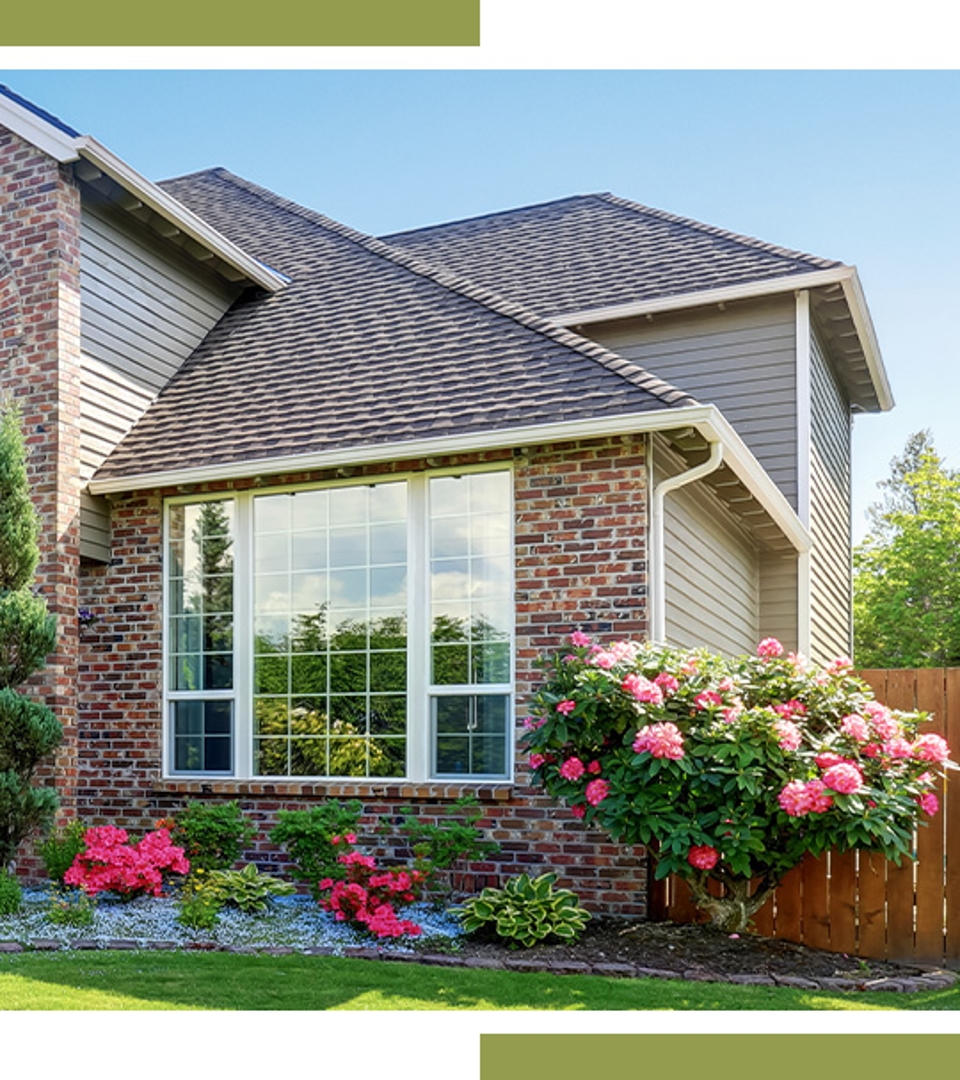
Roof Rat & Norway Rat Signs Around Your Home
Roof rats and Norway rats can leave similar evidence, but they use homes differently. Roof rats often travel above ground and may reach rooftops through mature trees. Norway rats are more commonly associated with ground-level shelter, burrows, and foundations. In Richardson neighborhoods with mature landscaping, roof rats may use branches to reach attics, soffits, rafters, and wall voids. The location of the evidence helps us focus the inspection.
Signs worth reporting before your inspection include:
- Scratching or movement in walls, ceilings, or attics, particularly at night.
- Droppings near rafters, stored belongings, foundations, garages, or food sources.
- Gnaw marks on packaging, wood, wiring, or other materials.
- Grease marks along frequently used travel routes.
- Shredded paper, insulation, fabric, or other nesting material.
- Ground-level burrows near foundations, vegetation, or outdoor storage.
Don’t sweep or vacuum dry rodent waste or nesting material. Droppings, urine, nests, and dead rodents should be handled according to current public-health cleanup guidance to avoid stirring contaminated particles into the air.
Why Trapping or Baiting Alone May Not Resolve the Problem
Removing individual rats without correcting accessible openings can leave the same roofline, vent, utility penetration, or foundation gap open to new rodents. Food, water, clutter, vegetation, and shelter can also sustain activity around a home. That’s why we combine population management with exclusion and monitoring. Each step addresses a different factor, from current activity to structural access and exterior conditions.
Habitat modification may include trimming tree limbs, removing underbrush, improving food and pet-food storage, managing trash areas, or reorganizing outdoor storage.